India has the potential to become a major global player in sustainable aviation by expanding the use of Sustainable Aviation Fuel (SAF), attracting corporate investment and introducing supportive government policies. As the country's aviation industry continues to grow, sustainable fuel could play an important role in reducing carbon emissions while creating new economic opportunities.
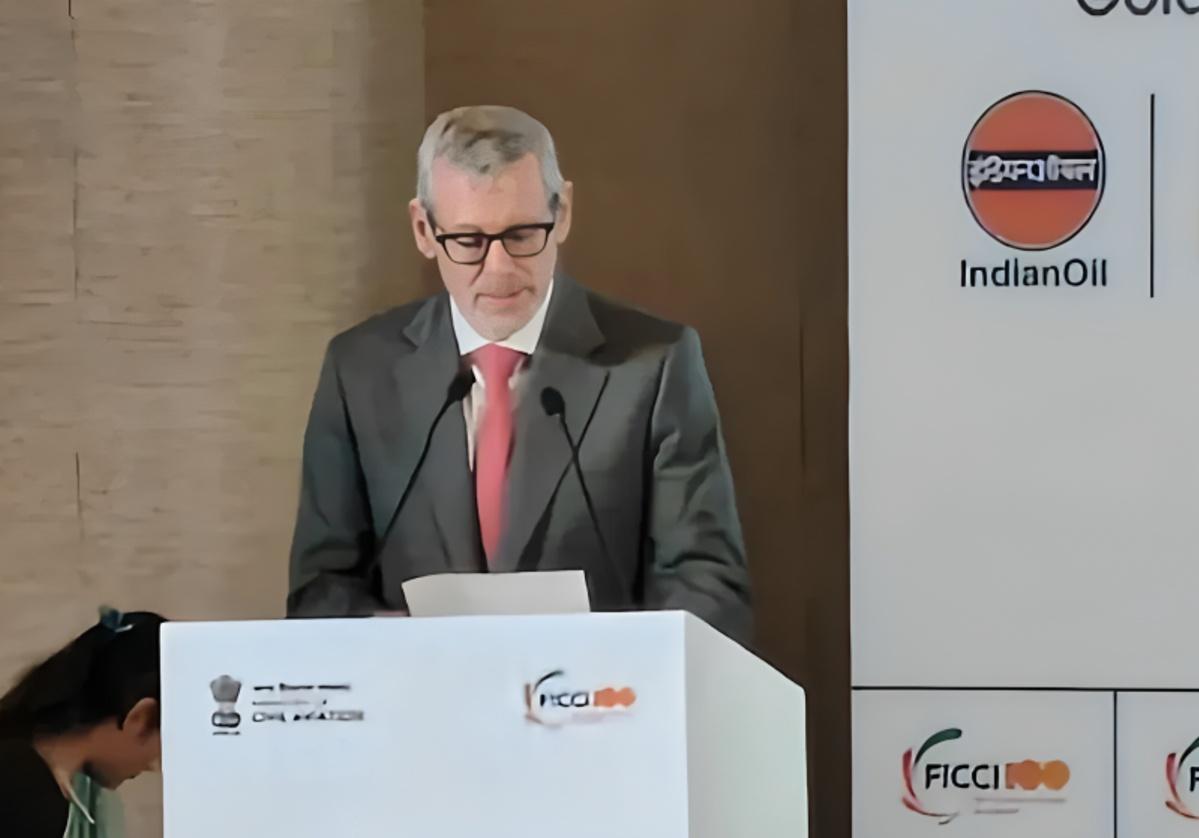
Jürgen Westermeier, Chairman of the FICCI National Civil Aviation Committee, highlighted this opportunity while speaking at the Sustainable Aviation Fuel Summit. He said India could develop a strong position in the global sustainable aviation sector by encouraging greater participation from businesses and providing the necessary policy support.
According to Westermeier, Sustainable Aviation Fuel could become an important solution for reducing the environmental impact of air travel. The aviation industry is expanding as passenger demand and air connectivity increase across India. At the same time, the sector faces the challenge of managing its environmental impact. SAF could help address this challenge by providing an alternative to conventional aviation fuel.
Sustainable Aviation Fuel Could Transform Aviation
Sustainable Aviation Fuel is considered one of the promising options for reducing carbon emissions associated with air travel. It is designed to serve as an alternative to conventional jet fuel and can help lower the aviation sector's overall carbon footprint, depending on how it is produced and used.
The development and wider adoption of SAF could support India's efforts to make aviation more environmentally responsible. It could also encourage the development of new technologies, strengthen domestic energy capabilities and create opportunities for businesses involved in fuel production and supply.
As air travel becomes increasingly important for India's economy, the demand for solutions that support both industrial growth and environmental responsibility is expected to become more significant. Sustainable aviation could therefore become an important part of the country's broader development strategy.
Policy Support Will Be Important
Westermeier stressed that India needs stronger policy support to unlock the full potential of sustainable aviation. Government initiatives could help create a favourable environment for investment, research, fuel production and wider adoption of SAF.
Supportive policies can also provide greater clarity for companies considering investments in sustainable aviation technologies. Businesses need a stable and predictable policy framework to plan long-term projects, develop production facilities and build the infrastructure required to supply alternative aviation fuels.
Government institutions will have an important role in bringing together different stakeholders and encouraging cooperation across the aviation and energy sectors. A coordinated approach could help address challenges related to production, availability, costs and infrastructure.
Corporate Investment Could Create New Opportunities
Greater participation from private companies will also be essential for developing India's sustainable aviation ecosystem. Airlines, aircraft manufacturers, energy companies and corporate investors can contribute through technology development, infrastructure investment and long-term business partnerships.
Increased corporate investment could help accelerate research and improve the availability of sustainable aviation solutions. It could also encourage domestic companies to explore opportunities in fuel production, processing, distribution and related technologies.
The development of this sector may create employment opportunities in engineering, manufacturing, research, energy production and aviation services. As investment increases, new businesses and specialised industries could emerge around sustainable aviation.
India could also benefit from opportunities to develop technologies and expertise that may be useful in international markets. A stronger domestic SAF ecosystem could help Indian companies participate in the growing global sustainable aviation industry.
Cooperation Across Industries Is Essential
The transition towards sustainable aviation cannot be achieved by airlines or fuel producers working independently. It requires cooperation among government agencies, airlines, aircraft manufacturers, energy companies and other corporate stakeholders.
Each group has a different role in developing the sector. Government institutions can establish policies and encourage investment. Airlines can explore the adoption of sustainable fuels in their operations. Aircraft manufacturers can contribute technical expertise, while energy companies can focus on developing production and supply capabilities.
Such cooperation could help create a connected system that supports the production, distribution and use of SAF. It could also help identify practical solutions to the financial, technological and infrastructure challenges involved in expanding sustainable aviation.
Balancing Aviation Growth With Climate Goals
India's aviation market is expanding, making it increasingly important to balance economic development with environmental responsibility. Better air connectivity supports tourism, trade, business activity and regional development. However, the industry's growth also makes the search for lower-emission solutions more important.
Sustainable Aviation Fuel could contribute to this transition by helping reduce emissions associated with air travel. Its wider adoption, however, will depend on factors such as production capacity, affordability, supply infrastructure, technology and policy support.
Developing a sustainable aviation sector could also support India's wider climate ambitions. By encouraging investment and innovation, the country may be able to build solutions that benefit both its domestic aviation industry and the global market.
India Has an Opportunity to Shape the Future of Aviation
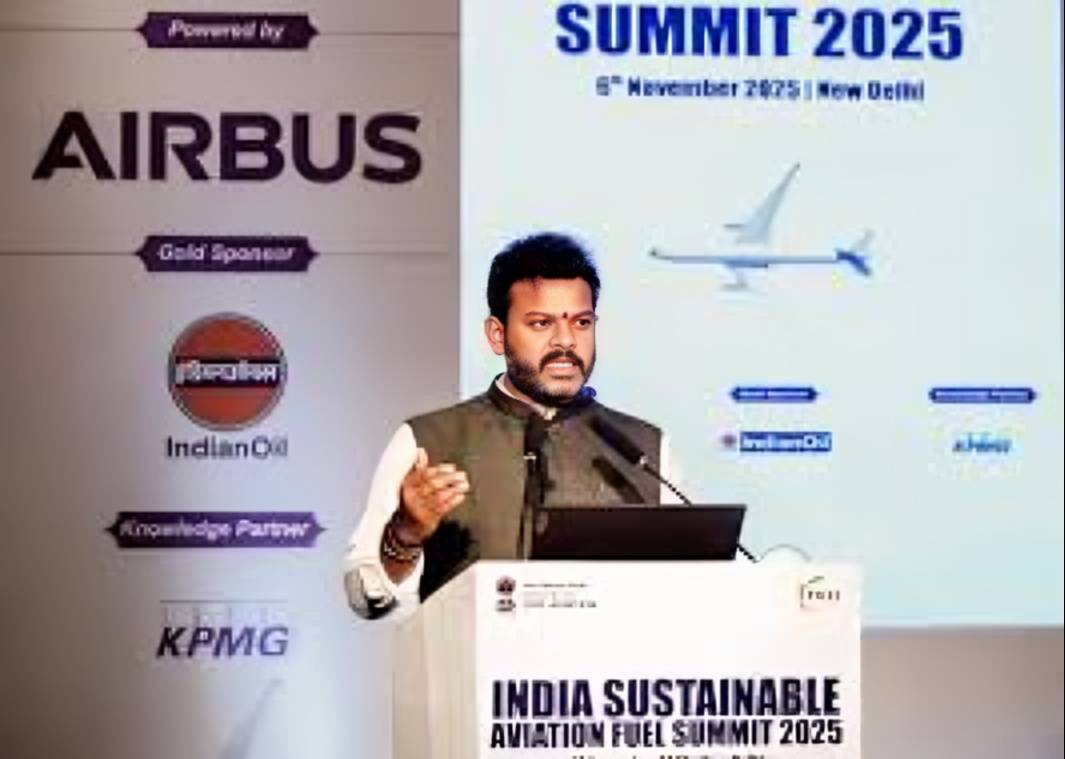
The message delivered at the Sustainable Aviation Fuel Summit highlights the importance of treating sustainable aviation as both an environmental priority and an economic opportunity. India has the potential to strengthen its position in this sector through a combination of government support, private investment and cooperation between industries.
The wider development of SAF could create opportunities for employment, technology development and investment while supporting efforts to reduce aviation-related emissions. However, achieving these benefits will require long-term planning and coordinated action from all major stakeholders.