Tata Sons and TVS Group Face Separate Disputes Over Ownership and Succession
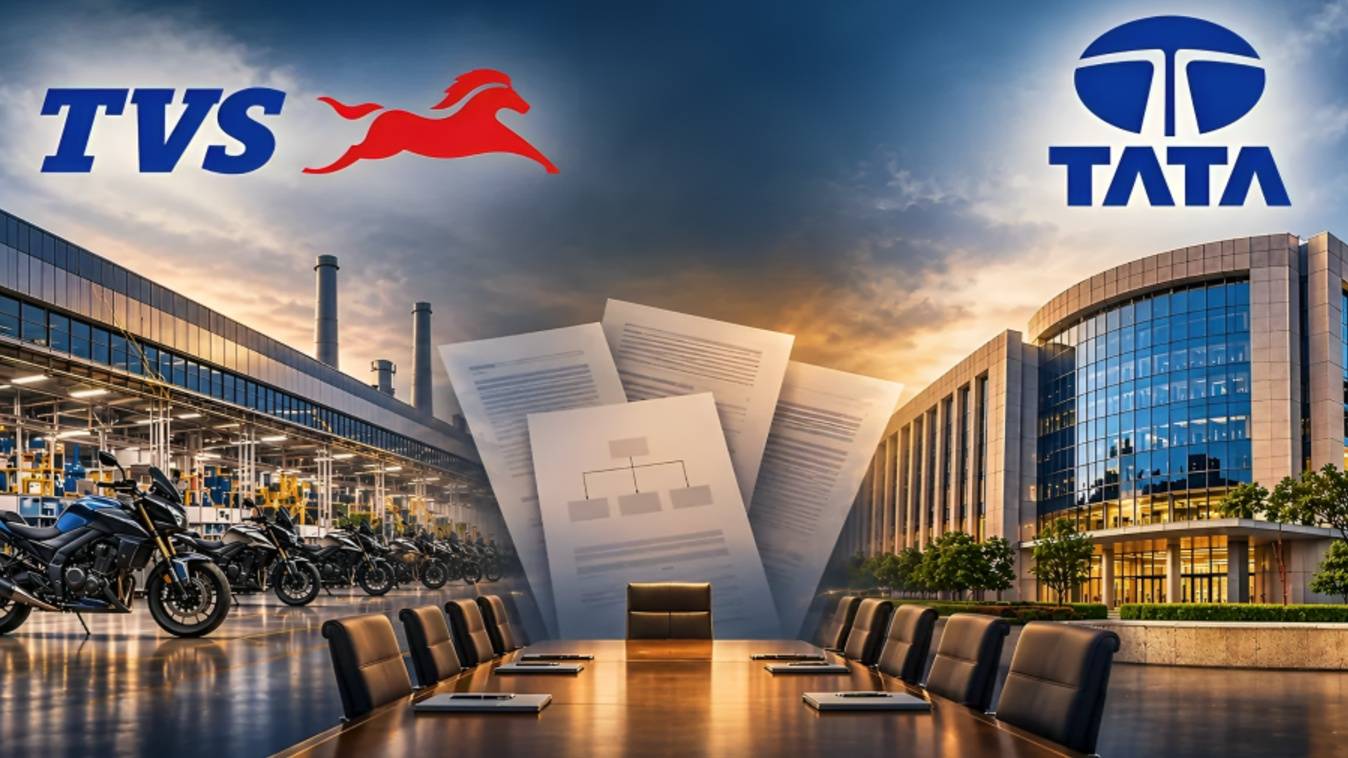
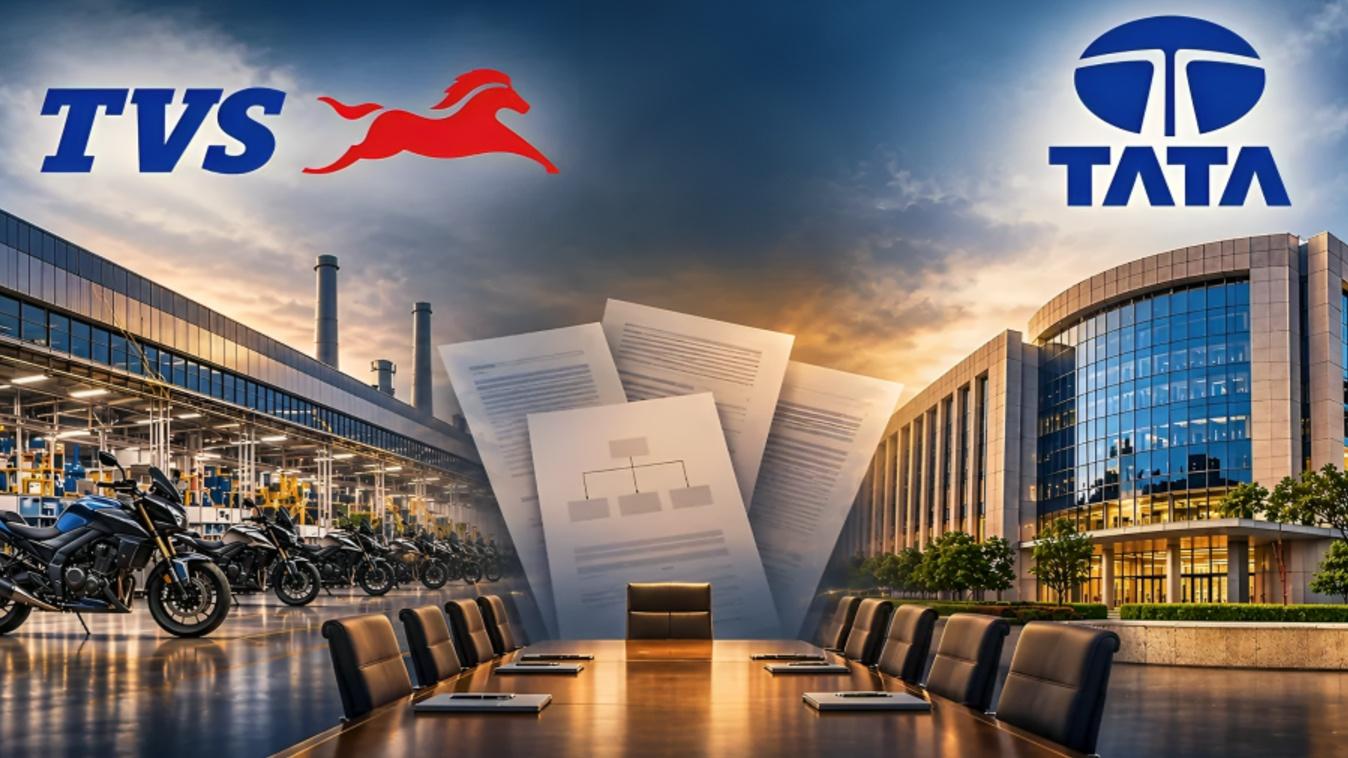
India's corporate sector is witnessing significant developments involving two prominent business groups, Tata Sons and the TVS Group. Both organisations are dealing with internal disagreements, although the nature of their disputes and the people involved are different.
While Tata Sons is facing a governance disagreement involving its board and Tata Trusts over leadership, decision-making powers and the company's future ownership structure, the TVS Group is dealing with a family succession dispute concerning the distribution of assets and economic ownership.
These developments have brought attention to the challenges faced by large business organisations when questions of leadership, ownership and succession arise.
Tata Sons Dispute Centres on Leadership and Governance
Tata Sons, the principal holding company of the Tata Group, is facing disagreements between its board and Tata Trusts, which holds approximately 66 per cent of the company's shares.
The dispute has gained attention following decisions concerning the reappointment of N Chandrasekaran as chairman of Tata Sons and discussions about a possible stock market listing.
The board approved Chandrasekaran's reappointment for another five-year term despite opposition from Noel Tata, chairman of Tata Trusts. The board also supported steps towards a potential listing of Tata Sons.
However, representatives of Tata Trusts have questioned whether the board had the authority to take these decisions without obtaining the required approval under the company's Articles of Association.
The disagreement has raised important questions about the balance of power between the company's directors and its largest shareholder.
Tata Trusts plays a significant role in the Tata Group because of its substantial ownership in Tata Sons. The trusts also support several charitable and educational activities through their associated institutions.
The central issue is whether the board can independently make major decisions concerning leadership and ownership or whether the approval of trust representatives is necessary under the company's governing documents.
Stock Market Listing Adds to the Disagreement
Another important aspect of the Tata Sons dispute concerns the possibility of listing the company on the stock market.
The Reserve Bank of India has regulatory requirements for certain large non-banking financial companies classified under the upper-layer category. Tata Sons' regulatory classification and the requirements associated with it have contributed to the debate surrounding a potential listing.
A public listing could introduce additional shareholders and change the company's ownership structure. It could also have implications for the interests of existing shareholders, including the Tata Trusts and the Shapoorji Pallonji Group.
The disagreement is therefore not limited to the appointment of the chairman. It also involves the company's long-term financial structure, regulatory obligations and the authority of its major shareholders.
The Tata Sons dispute highlights the challenges of balancing board independence with shareholder rights in a large business group.
TVS Group Faces a Family Succession Dispute
Unlike Tata Sons, where the disagreement primarily concerns corporate governance and shareholder authority, the dispute within the TVS Group involves family succession and the division of economic interests.
The differences involve industrialist Venu Srinivasan, his son Sudarshan Venu, his wife Mallika Srinivasan and his daughter Lakshmi Venu.
Venu Srinivasan is chairman emeritus of TVS Motor Company, while Sudarshan Venu serves as its chairman and managing director. Lakshmi Venu has been associated with Sundaram-Clayton, while Mallika Srinivasan leads Tractors and Farm Equipment Limited.
The disagreement concerns whether earlier family arrangements established a final division of ownership and wealth or merely allocated management responsibilities and business interests.
Venu Srinivasan and his son Sudarshan's side has maintained that succession arrangements and previous understandings provide a basis for the division of business interests.
However, Mallika Srinivasan and Lakshmi Venu have disputed the suggestion that a final economic settlement has been completed. They have argued that management responsibilities should not automatically be treated as proof of ownership rights.
They have also called for a transparent process involving valuation, discussions and mutual agreement to resolve the differences.
Earlier Family Agreements Under Scrutiny
The TVS dispute has brought attention to two important arrangements involving the family.
The first was the broader family settlement completed in 2020, under which different branches of the TVS founding family reorganised their business interests and ownership structures.
The second was a memorandum of understanding signed in March 2024, which has become a subject of disagreement over its scope and implications.
One side maintains that the arrangements form part of an agreed succession process. Mallika and Lakshmi, however, have argued that these agreements do not amount to a final settlement of economic ownership within their immediate family.
The disagreement is particularly important because TVS Holdings owns a controlling stake of approximately 50.26 per cent in TVS Motor Company.
The question of who holds the economic rights over family assets and business interests has therefore become a major issue in the ongoing succession discussion.
The dispute has also moved towards possible legal proceedings, with both sides reportedly filing caveats before different courts and legal forums to protect their interests.
Two Disputes With Different Corporate Implications
Although Tata Sons and the TVS Group are facing internal disagreements, the underlying issues are different.
In Tata Sons, the central question concerns the relationship between the board and the controlling shareholder, particularly regarding leadership decisions and the company's future ownership structure.
In the TVS Group, the primary issue concerns the interpretation of family agreements, the distribution of wealth and the distinction between managing a business and owning its economic interests.
Both cases demonstrate how complicated succession and governance can become when major business interests are involved.
For Tata Sons, the outcome could influence the future relationship between Tata Trusts and the company's board, as well as decisions concerning a possible listing.
For the TVS family, the resolution could determine how family assets and business interests are recognised and distributed among the next generation.
Corporate Governance and Succession Planning in Focus
The developments involving these two major Indian business groups highlight the importance of clear ownership arrangements, transparent decision-making and well-defined succession plans.
Family-owned businesses often face challenges when responsibilities are transferred to the next generation. Similarly, large corporations with substantial institutional or trust ownership must maintain clarity regarding the powers of shareholders and company directors.
Any disagreement over these arrangements can affect business decision-making, leadership continuity and long-term corporate planning.
The Tata Sons and TVS Group disputes are therefore being closely followed by the Indian business community. While both situations are different, their outcomes could provide important lessons about governance, ownership rights and succession planning in India's major business houses.
The final resolution of both disputes will depend on the applicable legal agreements, corporate regulations and decisions taken by the people and institutions involved.